
Seth Rogen's Sausage Party, which came out last week, has received some attention as an "adult" animated film. It's supposedly scandalous for such a medium as animation to be used for supposedly adult themes. However, there have been many, many, many animated films with "adult" themes (and I won't touch on the deeper importance of Disney films). You would think the animation medium could be seen in such a narrow way. It's important to remember that animated films are only different from live-action films in one way: they're animated.

A number of "adult" animated films are actually feature adaptations of other animated works, like television shows or comic books. For example, South Park and The Simpsons both released full-length movies that were (perhaps a little bit) unsuitable for kids. Similarly, earlier this summer, DC and Warner Bros. brought Batman: The Killing Joke to the big screen - and it was definitively rated R. Ultimately, several animated adaptations of more "mature" television or comic books maintain the maturity that makes these shows "adult comedy."

On a different hand, "adult" animation includes legitimate full-length feature films, meaning films not intended to be particularly raunchy or catering to children. These films often fall into different genres: dystopian, historical, drama, comedy, fantasy, and even holiday films. 9 (2009) is a computer animated film set in a post-apocalyptic world, rated PG-13; The Triplets of Belleville (2003) is a historical adventure, from Sylvian Chomet, traditionally animated, and rated PG-13; Anomalisa (2015) is a stop-motion comedy-drama, which was nominated for the Academy Award for Best Animated Feature, and is rated R; and Paprika (2006) is a Japanese science fiction anime, also rated R.
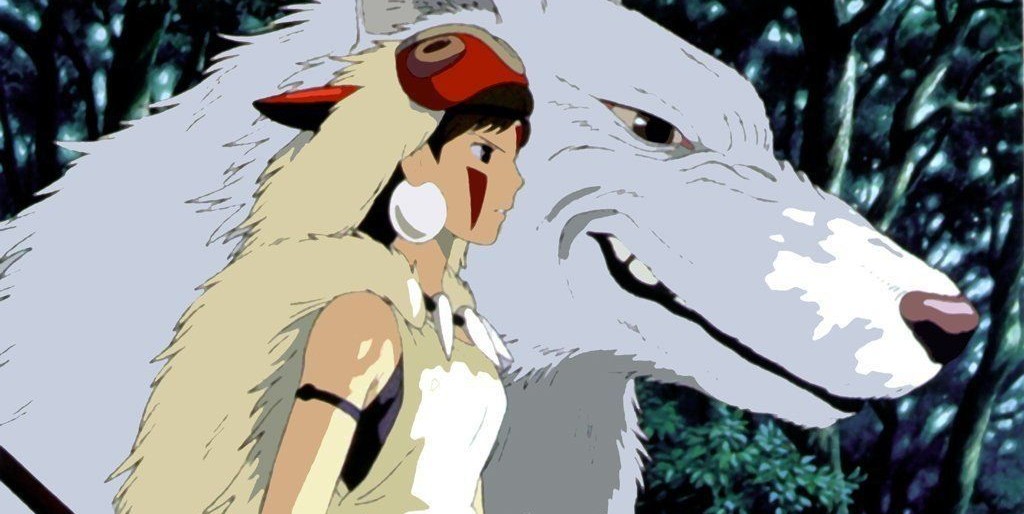
For some Western fans, anime seems a whole new world in the animation industry. A well-established buffer between Eastern and Western animation, Studio Ghibli stands as a testament to important animation. Although many of Studio Ghibli's films deal with war, violence, and generally more significant plots than American animated films, the studio only boasts 3 films rated PG-13 of their twenty feature films. Princess Mononoke (1999) earned the rating first, for especially violent and gory scenes. Tales from Earthsea followed the theme, becoming the first and only PG-13 animated film distributed by Disney. In 2013, The Wind Rises became the third PG-13 film from Studio Ghibli, surprisingly for smoking and "disturbing" images.
In the end, several animated films have earned higher MPAA ratings, for various reasons, and we, as an audience, should minimize the stigma that animation is a genre for children. Animation is a medium that can be used to tell any kind of story, regardless of whether the target audience is children or adults.
Check out the Sausage Party trailer above. Sausage Party laughed into theaters August 12.


No comments :
Post a Comment